Henning Knoepfle

Research & strategy

Subjects
Markets, customers, brands
Output
One recommendation a design team can use
Languages
English and Chinese decks
Tools
AI research tools since 2025

What this is

Alongside the design work I research markets, customers and brands, and turn the findings into decisions a design team can use. Since 2025 I have done this research with Claude as a working tool: I set the question and the sources, check the output and draw the conclusions.

Read the first pages

Hover over the study in the middle and scroll to read its first pages. On a phone, tap it. For the full document, request a copy and I will send it.

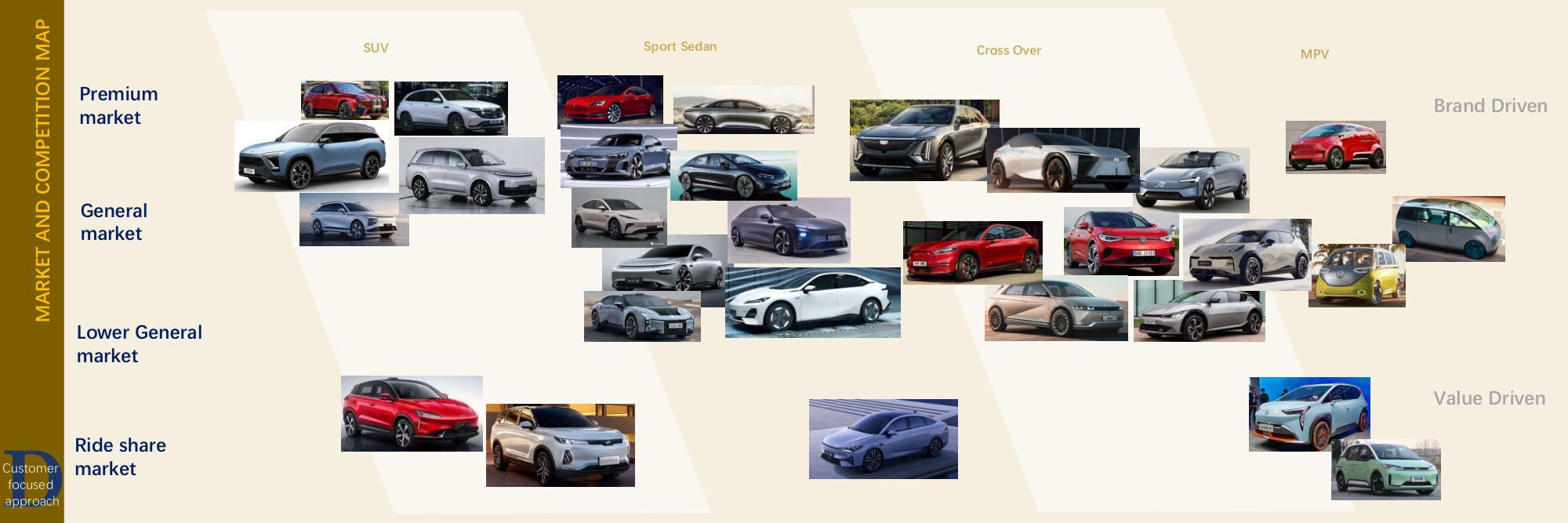
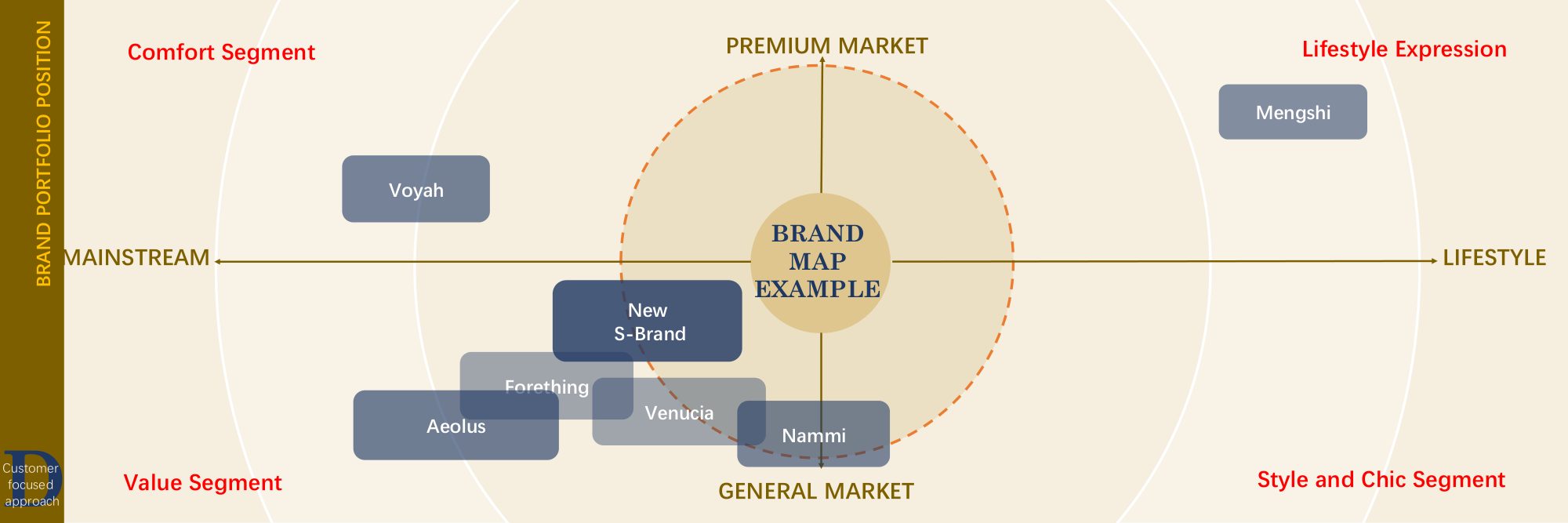
Customer focused design approach, page 1Customer focused design approach, page 2Customer focused design approach, page 3

Would you like the full document?

Read the first pagesScroll down ↓
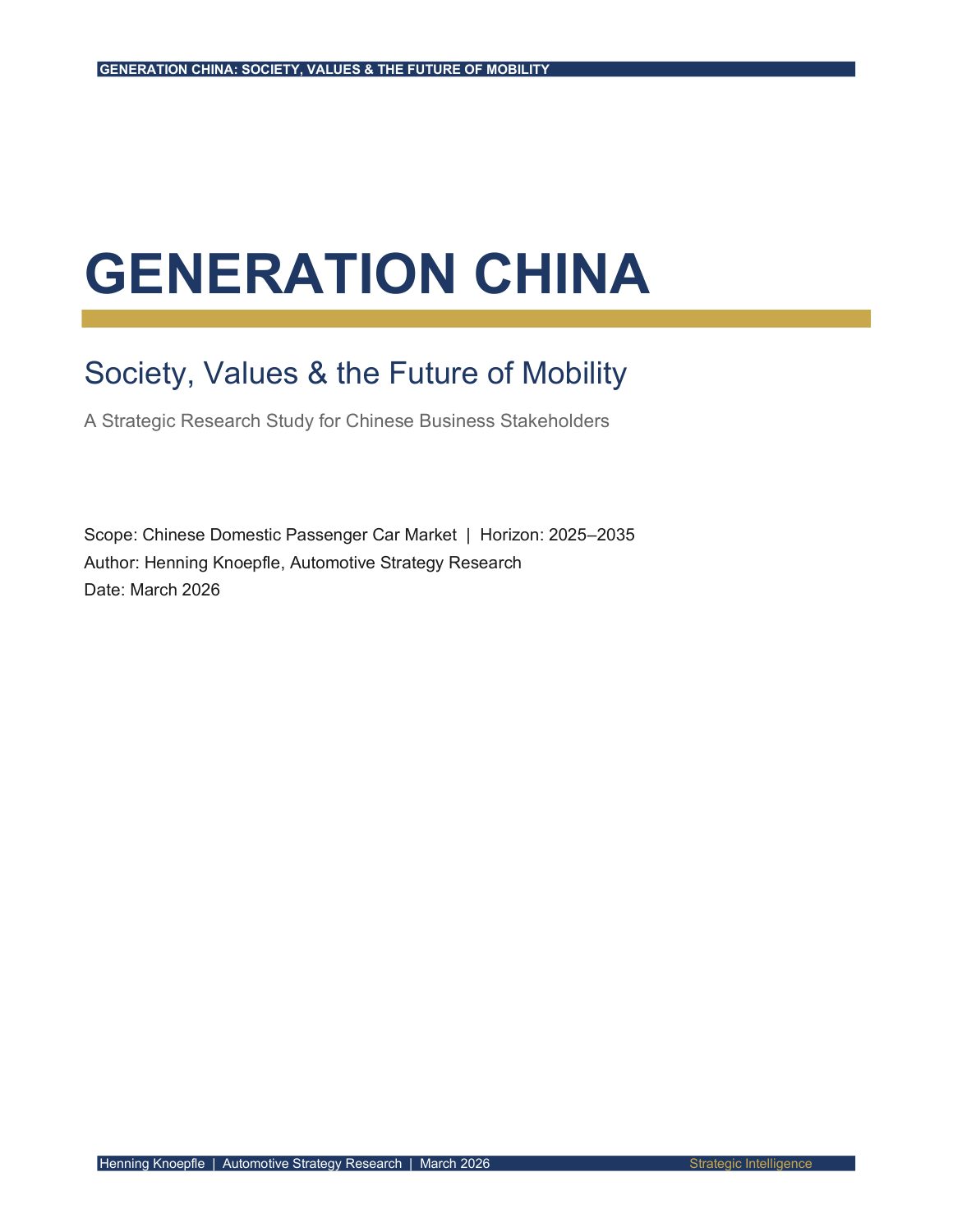
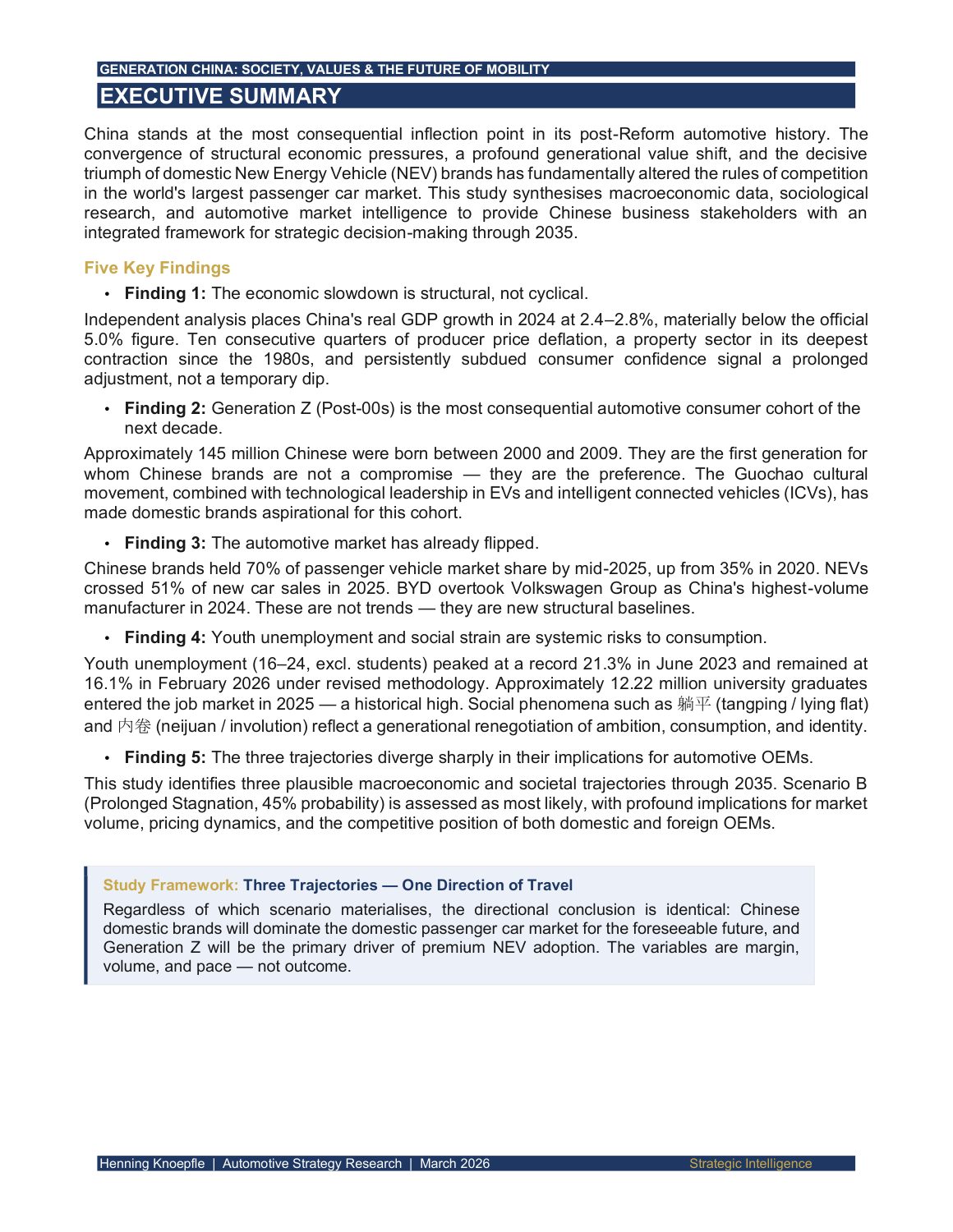
Generation China: society, values and the future of mobility, page 1Generation China: society, values and the future of mobility, page 2Generation China: society, values and the future of mobility, page 3

Would you like the full document?
Read the first pagesScroll down ↓
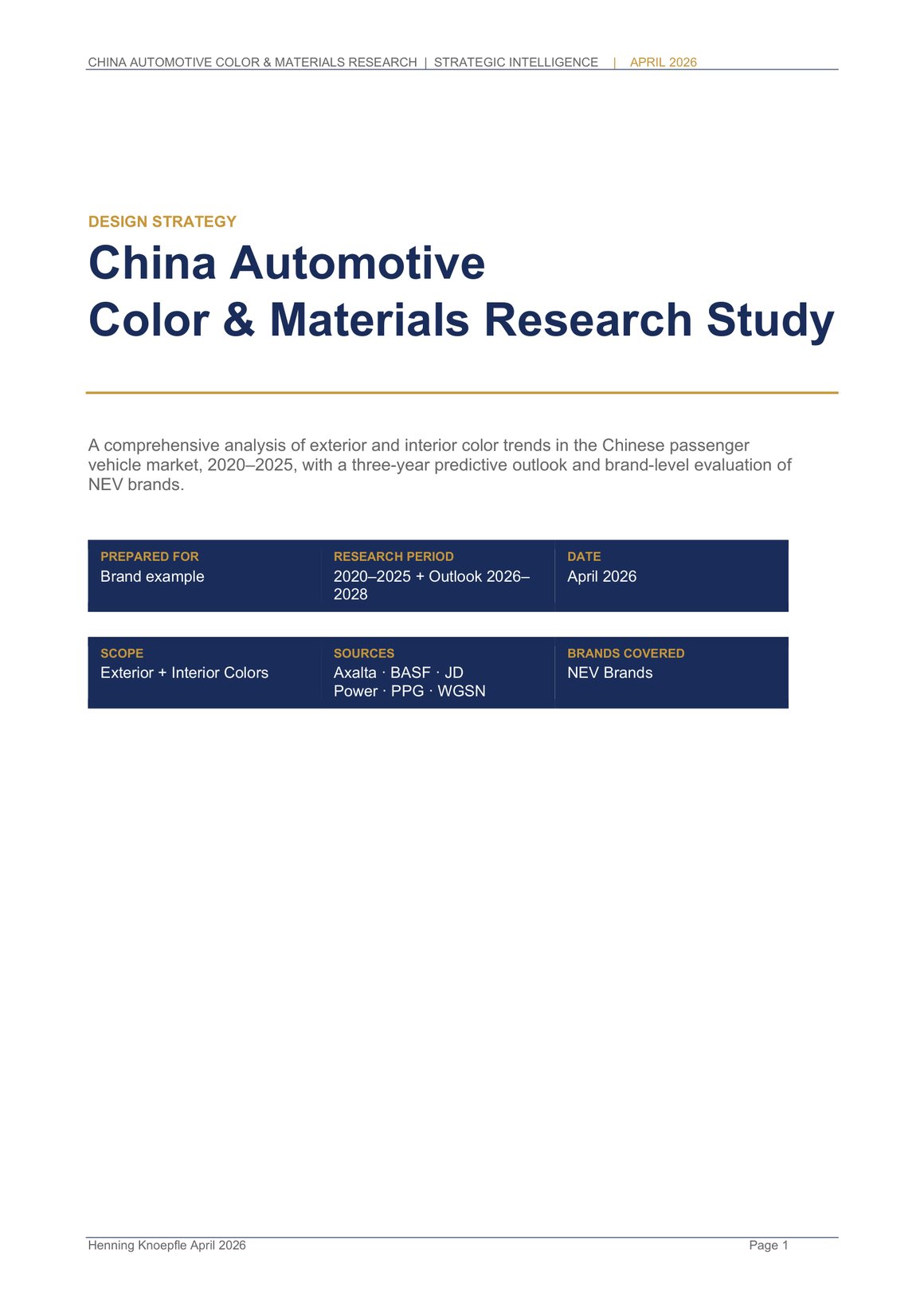
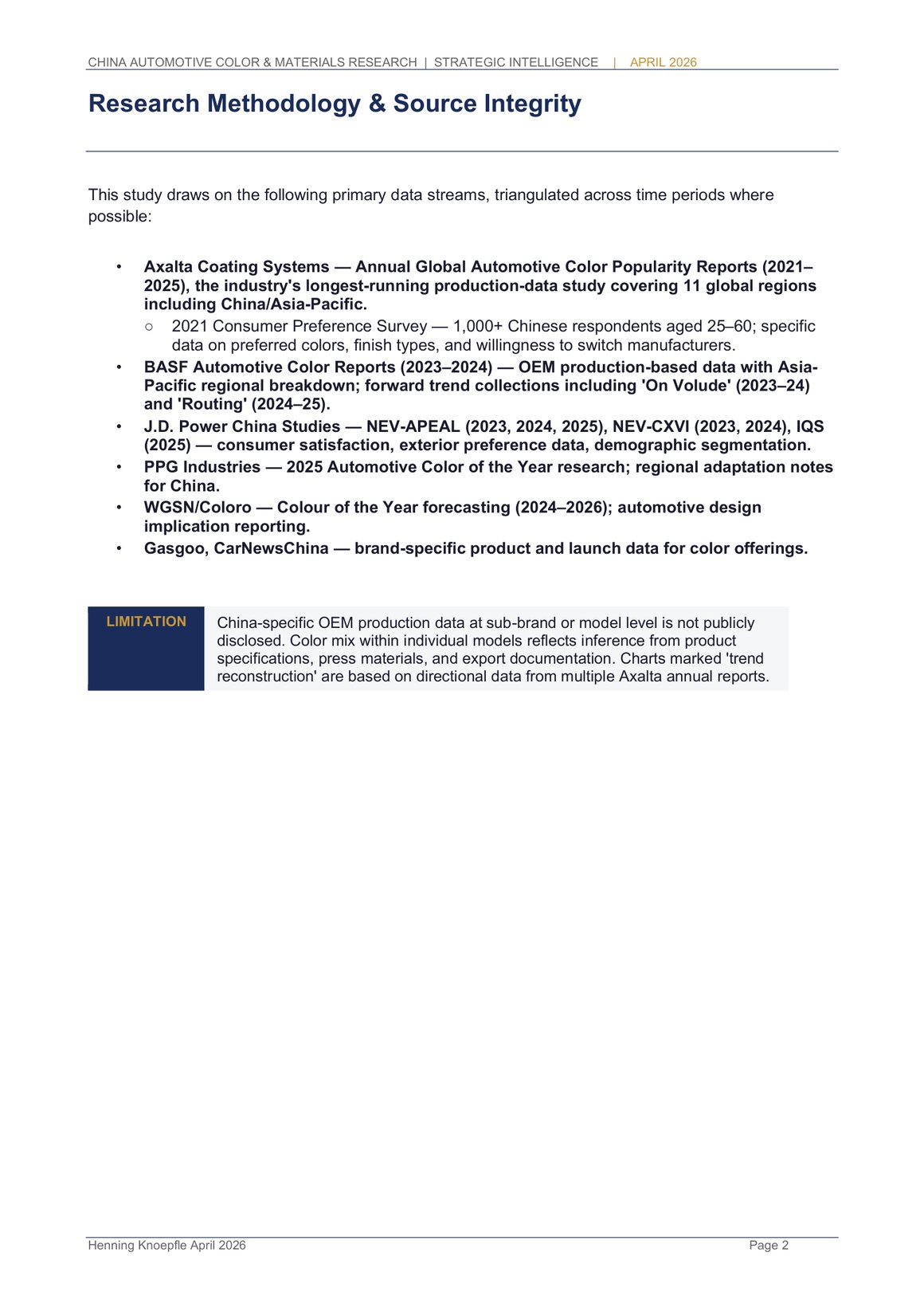
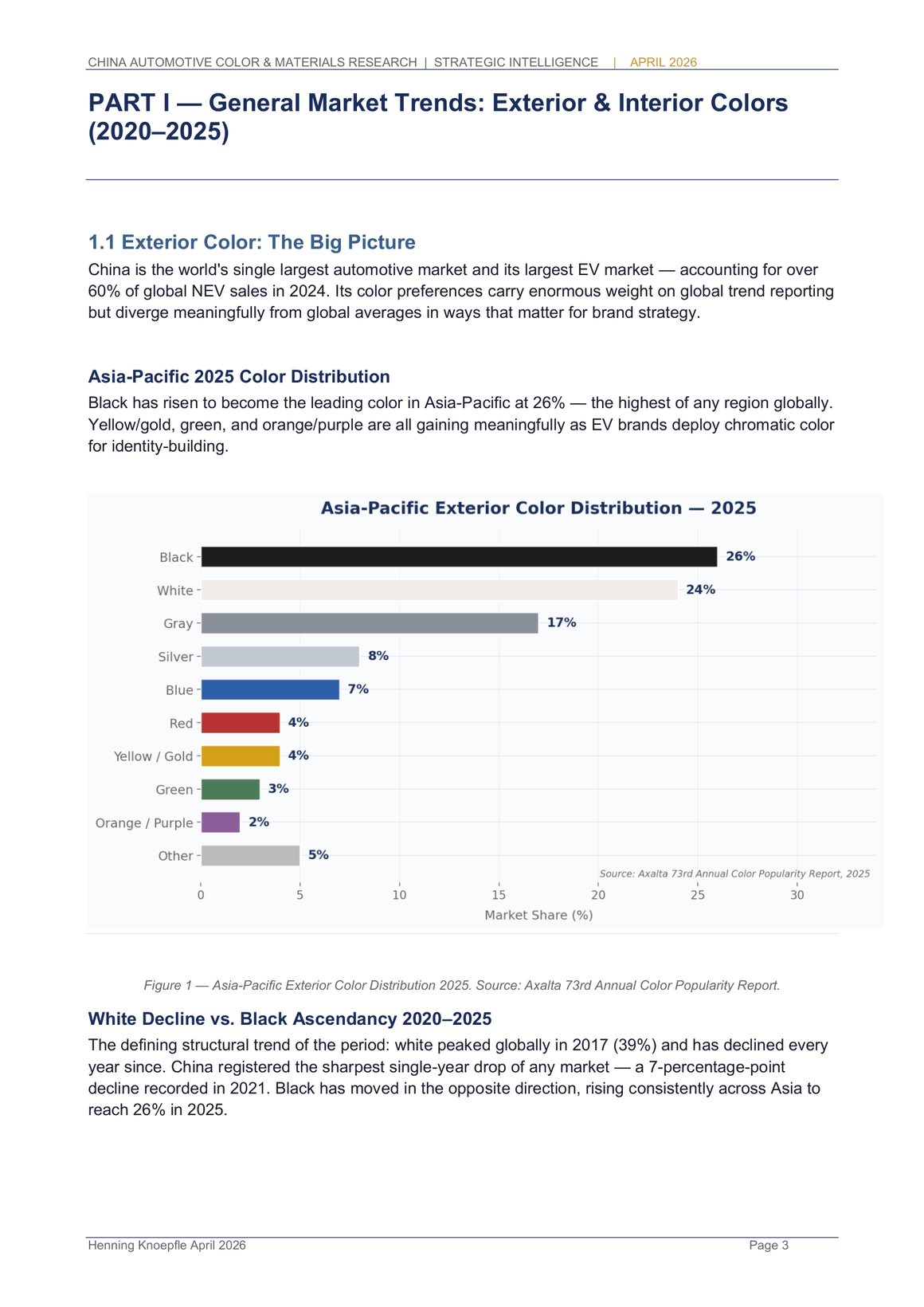
China color and materials study, page 1China color and materials study, page 2China color and materials study, page 3

Would you like the full document?

Read the first pagesScroll down ↓
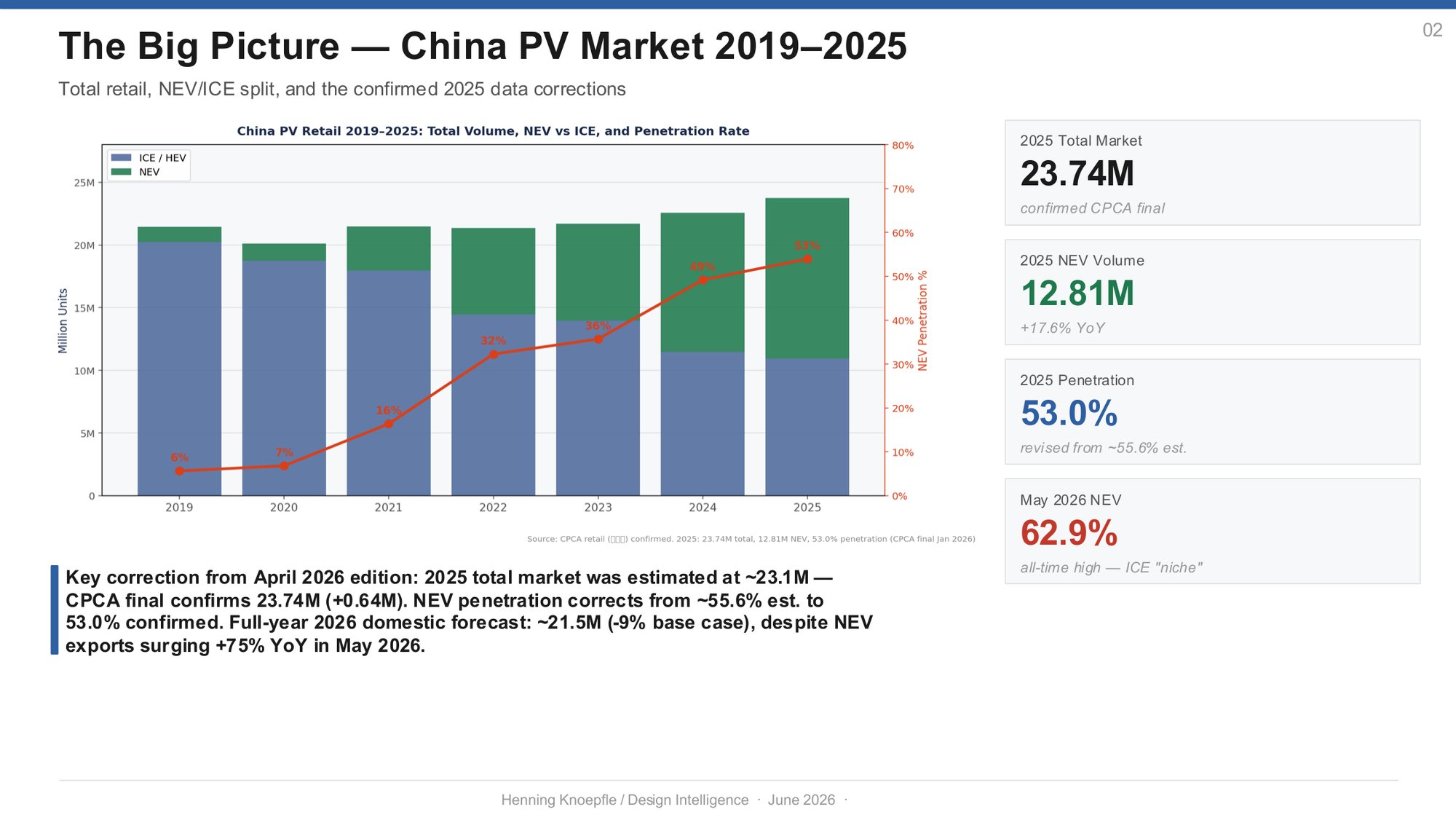
China passenger car market 2023 to 2026, page 1China passenger car market 2023 to 2026, page 2China passenger car market 2023 to 2026, page 3

Would you like the full document?
Read the first pagesScroll down ↓
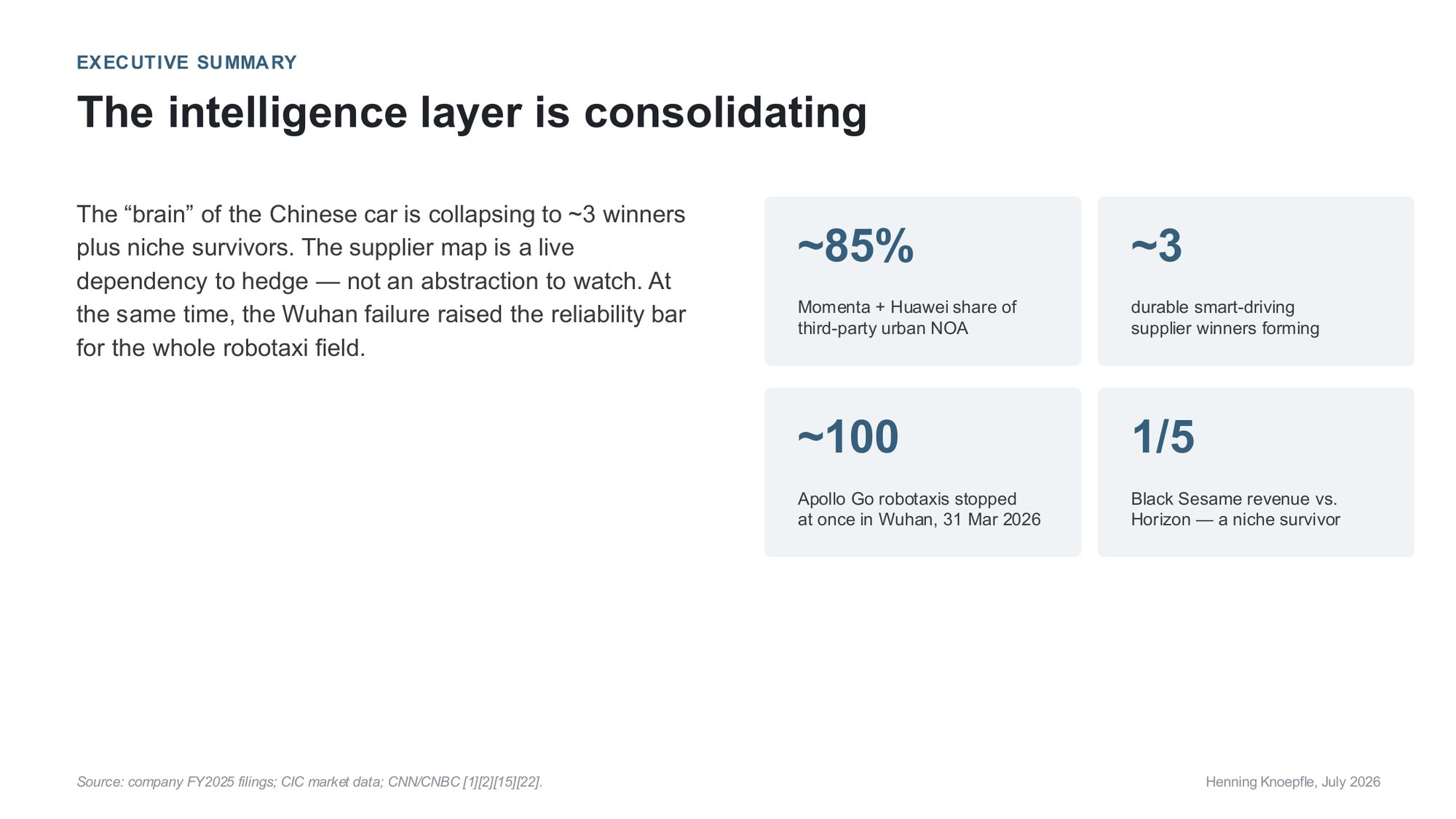
The brains behind the wheel, page 1The brains behind the wheel, page 2The brains behind the wheel, page 3

Would you like the full document?

Read the first pagesScroll down ↓
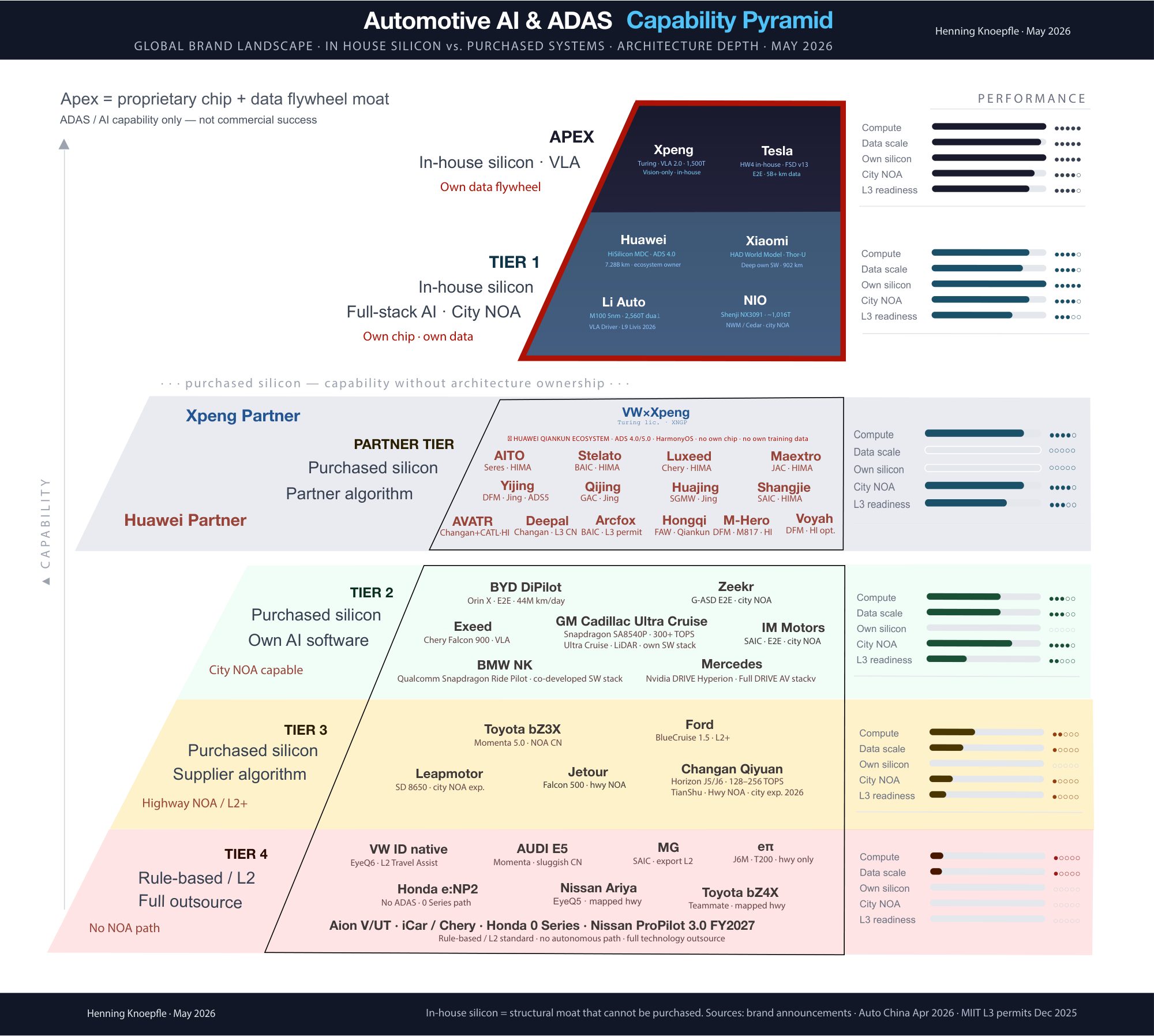
Automotive AI and ADAS capability pyramid, page 1

Would you like the full document?

Read the first pagesScroll down ↓

Request a copy

Sending opens your email program with the request filled in. If nothing opens, write to .

Market studies

All from public sources.

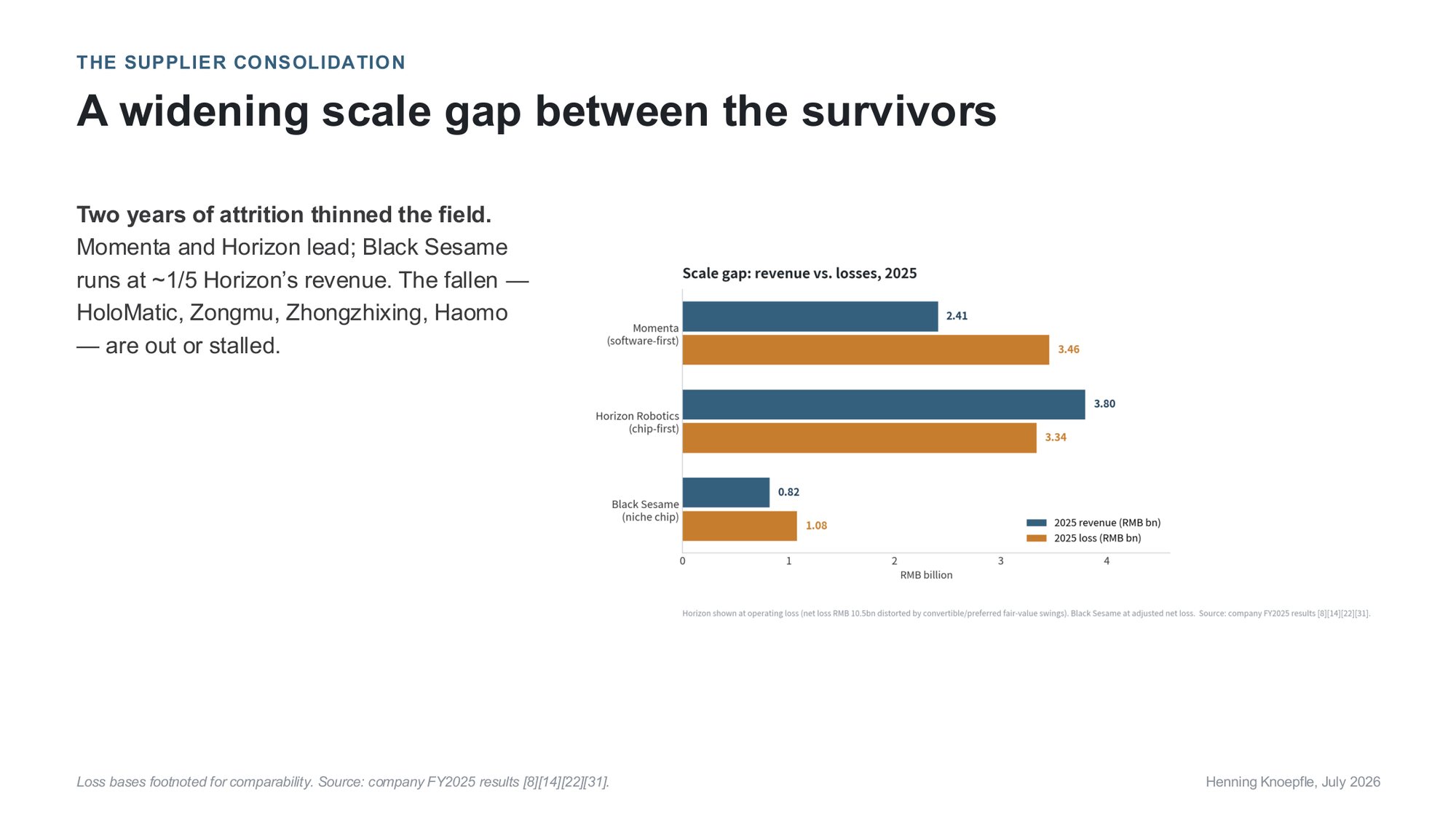
  • China mobility 2030. A 46-slide study of how the Chinese car market consolidates by 2030. Starting point: 109 brands and four groups pulling ahead. Frameworks: which makers cover their costs, who owns their own chips and who buys them, and where a brand in the RMB 100,000 to 200,000 band can still differ. Finding for design: in that band, with similar technology and price, design is what separates one car from the next.
  • NEV capability pyramid. A ranking of new-energy brands by what they build in-house, from silicon to software. Published as a LinkedIn article on the shift from the combustion era to the silicon era.
  • Software-defined vehicles in China. LinkedIn article.
  • US start-ups compared. Tesla, Rivian, Lucid, Slate and Scout set against the Chinese brands, on the question of why so many electric cars look and feel alike.
  • Xpeng MONA line-up. A reading of the M03, L03, L05 and G9L from MIIT filings.

Customer research

  • Owner sentiment from Chinese forums. What buyers and owners write about new launches, sorted by theme, and what it means for the next design brief.
  • Gen Z research for eπ. See the eπ case study.

Brand frameworks

Titles only. The content is confidential.

  • Brand architecture for a six-brand group: one position and one customer for each brand. Bilingual, 50 slides.
  • Brand DNA and color palette for each brand.
  • Design keyword system for a mainstream brand, across ten design domains.
  • Global design DNA 2027 to 2035 for an export portfolio: two product lanes, five market regions, three design territories and a recommendation.

How I work

  1. Question and sources agreed first.
  2. Evidence collected and logged with its source.
  3. Frameworks built from the evidence, then tested against cases that do not fit.
  4. One recommendation, with what it would cost and what it rules out.
  5. A deck a board can read in twenty minutes, in English and Chinese.